A store that worked well at fifty orders a month often starts to creak at five hundred. Checkout slows down during promotions, stock goes out of sync between the shop and the warehouse, M-Pesa payments need manual matching and the team spends evenings copying orders into accounting. The answer is rarely "replatform everything". It is choosing the right technology for each layer of the stack and connecting them properly. This guide maps those layers, compares the main options for each, and gives you a staged plan for growing without a disruptive rebuild.
Key takeaways
- Think of e-commerce as a stack of layers: storefront, commerce engine, payments, search, content, operations (ERP, inventory, fulfilment) and the integration glue between them.
- Most growing businesses should keep a proven commerce platform such as Shopify or WooCommerce and upgrade individual layers before considering headless or custom builds.
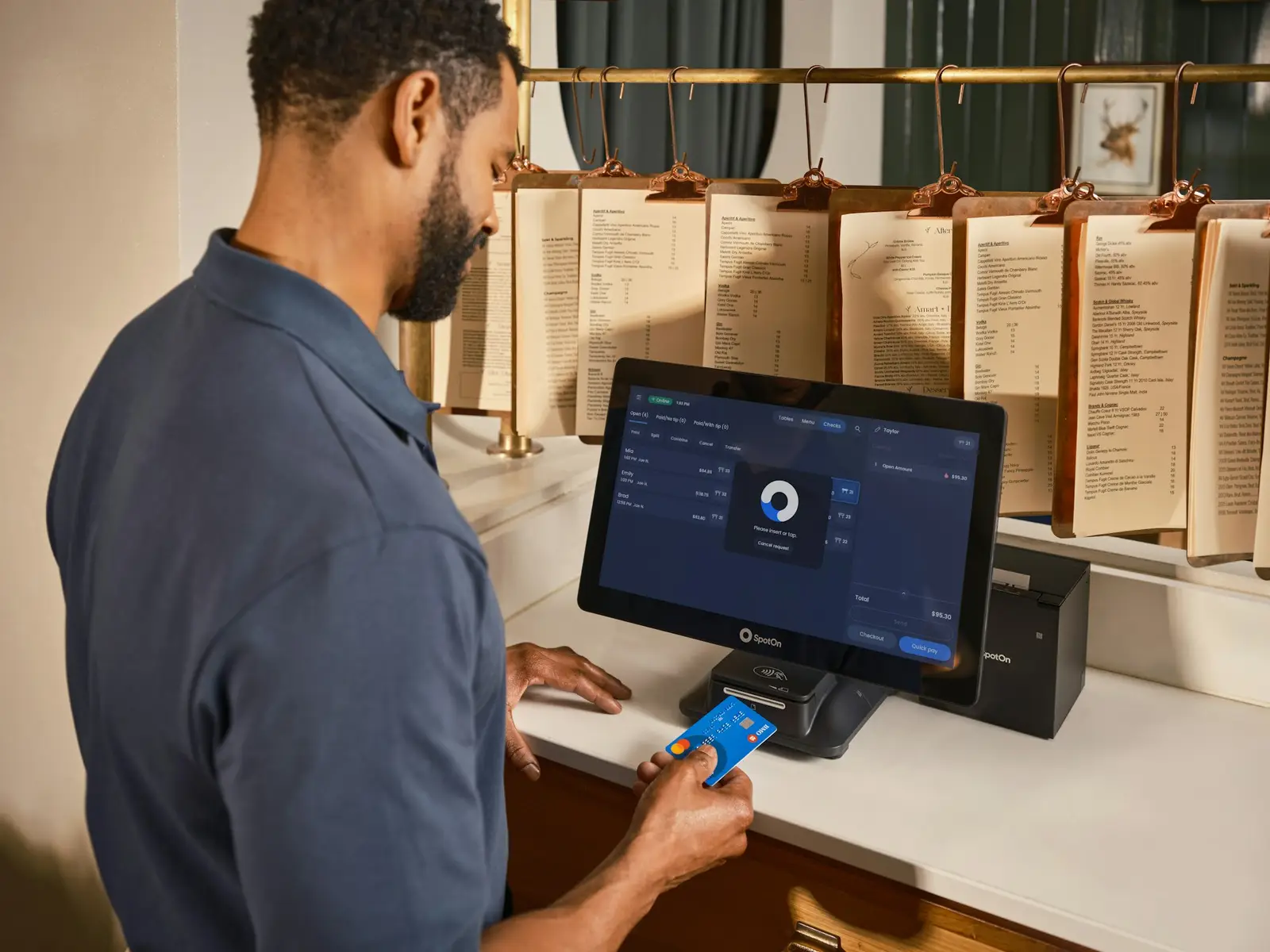
- Payments are the most important layer in East Africa. M-Pesa via STK Push, cards and reliable reconciliation matter more than almost any storefront feature.
- Go headless when you have a specific reason, such as performance, multi-channel content or integration into an existing app, and a team able to maintain it.
- Automation and integration (orders to ERP, stock sync, eTIMS invoicing, notifications) usually deliver more return than a new storefront.
The e-commerce stack, layer by layer
+--------------------------------------------------------------+
| Storefront: theme (Liquid, WordPress) or headless            |
| (Next.js, Nuxt, Angular, Hydrogen) + CDN                     |
+--------------------------------------------------------------+
| Commerce engine: products, pricing, cart, checkout, orders   |
| (Shopify, WooCommerce, Adobe Commerce, commercetools,        |
|  Medusa, Saleor, BigCommerce)                                |
+------------------+----------------+--------------------------+
| Payments         | Search         | Content (CMS)            |
| M-Pesa, Airtel   | Algolia,       | Platform CMS, WordPress, |
| Money, cards     | Typesense,     | headless CMS             |
| via gateways     | Meilisearch    |                          |
+------------------+----------------+--------------------------+
| Operations: ERP / accounting (eTIMS), inventory or WMS,      |
| couriers, customer service, marketing tools                  |
+--------------------------------------------------------------+
| Integration and automation: webhooks, queues, iPaaS,         |
| custom middleware, monitoring                                |
+--------------------------------------------------------------+
Each layer can be upgraded independently if the interfaces between them are clean. That is the core idea behind modern "composable" commerce, and it applies at small scale too.
Layer 1: The commerce engine
The commerce engine owns the catalogue, pricing, cart, checkout and orders. Switching it is expensive, so choose for the next three to five years, not the next three months.
| Platform | Model | Strengths | Trade-offs | Typical fit |
|---|---|---|---|---|
| Shopify | Hosted SaaS | Reliable, fast to launch, large app ecosystem, strong headless API | Limited checkout control below Shopify Plus; extra transaction fee when Shopify Payments is unavailable, as for Kenyan merchants | Small to large brands that want to focus on selling |
| WooCommerce | Self-hosted open source on WordPress | Full control, strong content, large developer pool in Kenya | You own hosting, security and updates; quality depends on plugins | Content-led stores, custom payment flows, teams with developer support |
| Adobe Commerce (Magento) | Self-hosted or cloud | Very flexible, B2B features, multi-store | Complex, expensive to run, needs specialist developers | Large catalogues and B2B with dedicated engineering |
| BigCommerce | Hosted SaaS | Open APIs, built-in features, headless-friendly | Smaller ecosystem and local partner base in East Africa | Mid-market brands wanting SaaS with flexibility |
| commercetools | API-first SaaS | Highly composable, built for large enterprises | Requires building the frontend and much of the integration | Enterprises with large engineering teams |
| Medusa, Saleor | Open-source headless | Developer-friendly, self-hostable, modern APIs | You build and operate more of the stack | Product companies with strong in-house developers |
Our Shopify vs WooCommerce comparison goes deeper on the two most common choices in Kenya.
Fulfilment speed is often the real bottleneck for growing online stores.
Layer 2: The storefront
Themes
For most growing businesses, a well-optimised theme is the right answer. Shopify's Online Store 2.0 themes and modern block-based WordPress themes are fast when you keep apps and plugins under control, compress images and avoid heavy sliders and pop-ups.
Headless frontends
Headless means the storefront is a separate application that talks to the commerce engine through APIs. Common choices:
- Next.js (React) and Nuxt (Vue) for content-rich storefronts with server-side rendering.
- Shopify Hydrogen, Shopify's React-based framework designed specifically for the Storefront API.
- Angular, often chosen when a business already runs Angular for customer portals. See our walkthrough on building a Shopify storefront using Angular.
Headless makes sense when you need:
- Performance beyond what a theme can achieve, for example for very large catalogues or demanding mobile experiences.
- One product catalogue powering a website, mobile app, kiosks and partner channels.
- Deep integration with an existing application, such as a loyalty or B2B ordering portal.
Headless costs more to build and maintain. You take on hosting, SSR, caching, SEO details and keeping up with API versions. A team without frontend engineers should not go headless.
Content delivery
Whatever the storefront, put a CDN in front of it. Several major CDN providers operate edge locations in Nairobi and other African cities, which can noticeably improve load times for Kenyan users on mobile networks. Use modern image formats (WebP, AVIF) and responsive image sizes; product photos are usually the heaviest part of a page.
Layer 3: Payments
In East Africa, payments make or break conversion. Customers expect M-Pesa first, then cards, with Airtel Money and bank options in some segments and Uganda and Tanzania mobile money for regional sales.
Options
- Payment aggregators such as Pesapal, Flutterwave and Paystack, which offer M-Pesa, cards and, depending on market, other mobile money through one integration. Availability of specific methods, platform plugins and fees changes, so confirm with each provider.
- Direct M-Pesa integration via Safaricom's Daraja API: STK Push for checkout, C2B confirmations for Till and Paybill payments, and transaction status queries for verification. Documentation is at developer.safaricom.co.ke.
- Bank card acquiring through a Kenyan bank, typically for larger merchants negotiating rates directly.
What good payment architecture looks like
- STK Push at checkout, so customers approve on their phones instead of typing Paybill details.
- Idempotent callback handling, so retries do not create duplicate orders.
- Verification of payment status through the provider's query API before fulfilling high-value orders.
- Automated reconciliation that matches settlements to orders daily and flags mismatches.
- Clear handling of pending states, for customers who pay but whose confirmation is delayed.
Serverless functions are a good fit for payment callbacks; our guide on serverless computing includes an M-Pesa callback example.
Layer 4: Search and discovery
Default platform search is often weak for larger catalogues, especially with misspellings and mixed English and Swahili queries. Options include:
- Algolia: hosted, fast, mature merchandising features, priced by usage in USD.
- Typesense and Meilisearch: open-source search engines you can self-host or use as managed cloud services, typically at lower cost.
- Platform search apps on Shopify and WooCommerce that add typo tolerance, synonyms and filters.
Add synonyms for local terms and common misspellings, and track searches with no results. They show you what customers want and cannot find.
Layer 5: Operations and back office
This is where growing businesses lose the most time.
ERP and accounting
Orders, payments, refunds and stock need to flow into an ERP or accounting system automatically. Common choices in Kenya include Odoo, Sage, QuickBooks Online, Zoho, Microsoft Dynamics 365 Business Central and SAP Business One for larger organisations. Crucially, the system issuing your invoices must handle KRA eTIMS. Neither Shopify nor WooCommerce issues eTIMS invoices natively, so the store should feed a system that does.
Inventory and fulfilment
If you sell across a physical shop, online store and marketplaces, one inventory system must be the source of truth. As volume grows, a warehouse management system with barcode scanning becomes essential; see how warehouse management systems work for the operational detail.
Delivery
Many Kenyan merchants combine their own riders for Nairobi with courier partners for upcountry and regional deliveries. Look for couriers that offer APIs or at least structured booking and tracking, and send customers SMS or WhatsApp updates at each stage. Cash and M-Pesa on delivery remain common, so your systems should reconcile rider collections against orders.
Customer communication
WhatsApp is the dominant customer channel in Kenya. The WhatsApp Business Platform (via Meta or an approved provider) supports order confirmations, shipping updates and support conversations. SMS remains essential for customers on basic phones and as a fallback.
Layer 6: Integration and automation
The glue between layers determines whether the stack scales.
- Webhooks from the commerce platform (order created, order paid, refund issued) should trigger downstream actions.
- Queues buffer events so a slow ERP or a brief outage does not lose orders.
- Integration platforms (iPaaS) such as Make, Zapier or n8n suit simple flows; custom middleware suits high volume or complex logic.
- Monitoring and alerts tell you when an integration fails before a customer does.
A typical automated order flow:
- Customer pays via M-Pesa STK Push; the gateway confirms payment to the commerce platform.
- The platform emits an "order paid" webhook.
- Middleware posts the order to the ERP, which issues the eTIMS invoice.
- The inventory system allocates stock and creates a pick task.
- On dispatch, the courier booking is created and the customer receives a WhatsApp or SMS update with tracking.
- Daily reconciliation matches gateway settlements to ERP invoices and flags exceptions.
 Checkout friction is one of the biggest drivers of abandoned carts.
Choosing your next upgrade: a decision checklist
- Are customers abandoning at payment? Fix payments first.
- Does the site feel slow on mobile data? Optimise images, theme and apps, add a CDN before considering headless.
- Are staff re-keying orders or invoices? Integrate the store with your ERP and eTIMS.
- Is stock often wrong online? Make one inventory system the source of truth and sync it in near real time.
- Do you need the same catalogue in an app, kiosk or partner portal? Consider headless.
- Is your catalogue large and search poor? Add a dedicated search service.
Security and compliance
- Keep card data off your servers by using hosted checkouts or gateway-hosted payment fields.
- Use MFA for every admin account on the platform, gateway and ERP.
- Patch WordPress and plugins promptly if you run WooCommerce; follow OWASP guidance for any custom code.
- Map where customer data flows across apps and services to meet Kenya Data Protection Act 2019 obligations, and keep your privacy notice accurate.
- Review third-party apps and plugins periodically and remove those you no longer use.
Common mistakes
- Replatforming to solve an integration problem. A new platform with the same manual processes produces the same headaches.
- Going headless without frontend engineers. The result is often slower and less reliable than a good theme.
- App and plugin sprawl. Each addition costs money, slows the site and adds risk.
- Manual payment reconciliation at scale. It does not survive growth and hides fraud and errors.
- Leaving eTIMS until last. Tax-compliant invoicing should be designed into the order flow from the start.
- Testing only on office fibre. Most customers shop on phones over mobile networks; test that way.
FAQ
What is the best e-commerce platform for a growing Kenyan business?
For most, Shopify or WooCommerce, chosen based on whether you prefer managed hosting or full control. Larger B2B or multi-store operations may need Adobe Commerce or an API-first platform.
When should a business go headless?
When a theme genuinely cannot deliver the performance, multi-channel reach or integration you need, and you have engineers to build and maintain a separate frontend.
How should I integrate M-Pesa into my online store?
Use a payment aggregator with a plugin for your platform, or integrate directly with Safaricom's Daraja API for more control. Either way, implement STK Push, idempotent callbacks and automated reconciliation.
Do I need an ERP for e-commerce?
Once order volumes make manual entry painful, yes. An ERP or accounting system with eTIMS support keeps invoicing, stock and finance accurate without re-keying.
How do I make my store faster for mobile users in East Africa?
Compress and resize images, limit apps and scripts, use a CDN with edge locations near your customers and test on mid-range Android phones over mobile data.
How TechBytes can help
We help growing retailers and distributors map their current e-commerce stack, fix the weakest layer first and connect stores to payments, ERP, eTIMS and fulfilment. Where it makes sense, we build headless storefronts and custom integrations, and we can take on ongoing monitoring of payment and order flows. Start with a consultancy session or talk to our AI and automation team about automating order-to-invoice workflows.